The Recruiting Combine Has a New Data Table: Genetic Testing Enters Youth Sports

Photo by Photo by vinuel on Unsplash on Unsplash
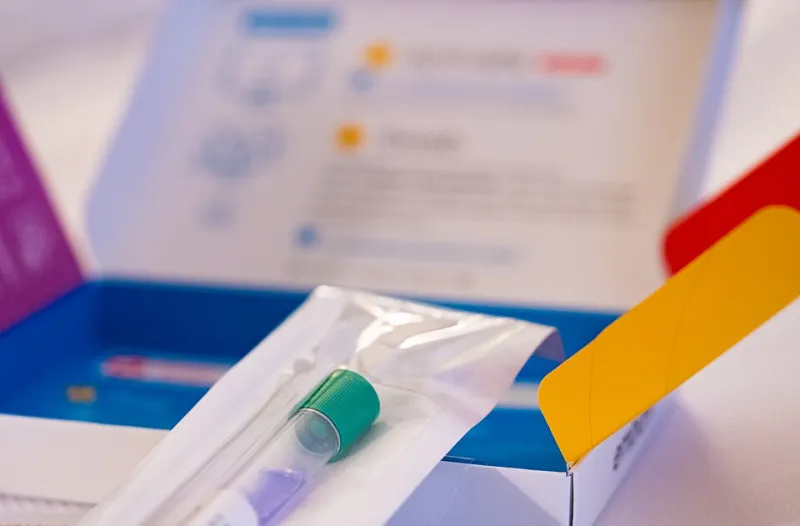
At a weekend showcase in suburban Dallas, parents checking their athletes in for a weekend of drills and agility testing were offered something new: a cheek swab kit, marketed as a way to "unlock your child's genetic potential." The vendor promised insight into fast-twitch muscle composition, injury risk, and recovery capacity — deliverable, for a fee, within three weeks.
Scenes like this remain rare but are multiplying. Athletic academies, travel programs, and at least a few college recruiting intermediaries have begun incorporating genetic or biomarker panels into their evaluation packages. The pitch is seductive and simple: in a crowded field of eight-year-old pitchers and fourteen-year-old point guards, any edge matters. What the consent desk rarely explains is what happens to the sample after the swab — and how little law actually governs it.
A Regulatory Patchwork That Skips the Locker Room
The federal landscape offers only partial coverage. COPPA restricts commercial collection of personal information from children under 13, but its reach is limited to operators of websites and online services directed at children. A physical swab collected at a tournament table may fall outside that framework entirely, particularly if the genetic analysis is performed by a separate laboratory entity.
HIPAA offers no shelter either. Most consumer-facing genetic testing companies are not covered entities, meaning the clinical confidentiality rules that govern a hospital record simply do not attach to a lab report emailed to a travel coach.
At the state level, the picture improves unevenly. Roughly thirty-five states have genetic privacy statutes of some kind, and newer comprehensive consumer privacy laws in states such as California, Texas, and Virginia enumerate genetic data as a sensitive category. But enforcement mechanisms vary widely, several statutes exempt research or directly consented commercial uses, and few were drafted with a sideline vendor in mind. A family's protections can change at a state border — a problem familiar to observers of genomic governance generally.
What the Consent Forms Don't Say
Our review of sample consent language used by sports-adjacent testing vendors reveals recurring omissions:
- Secondary use. Few documents state whether de-identified samples may be retained for research, sold to data brokers, or licensed to third parties.
- Retention and destruction. Parents are rarely told how long a minor's DNA will be stored, or how to request deletion.
- Family implications. A child's genome reveals information about parents and siblings — information those relatives never consented to share.
- Downstream disclosure. Whether a results report may be shared with coaches, scouts, or recruiting platforms is often ambiguous at best.
There is also the science itself. Direct-to-consumer athletic genetic panels rest on thin predictive evidence. Variants associated with muscle fiber composition explain a small fraction of athletic variance; no panel can forecast a college scholarship. Yet the marketing implies otherwise, raising consumer-protection questions that state attorneys general have been slow to examine.
Why Minors Deserve a Higher Bar
Children cannot meaningfully consent to the indefinite retention of biological material that will follow them into adulthood — including to future insurers, employers, or, in some states, law enforcement databases operating under different rules. An athletic evaluation that seemed harmless at age ten may carry consequences no one anticipated at signing.
A Practical Agenda
Three reforms deserve immediate attention:
- Sports governing bodies should adopt genomic data policies before the practice scales. USA Baseball, US Club Soccer, and comparable organizations routinely regulate equipment and eligibility; data governance should be treated no differently. A model policy barring genetic testing as a condition of participation would meaningfully slow the trend.
- State legislatures should close the minors' gap. Genetic data collected from individuals under 18 should require parental consent for any secondary use, mandatory destruction timelines, and an unqualified right to deletion.
- The FTC should treat performance-genetic marketing as the deceptive-advertising question it is. Claims of predictive power unsupported by evidence fit comfortably within existing enforcement authority.
Families navigating a consent form at a showcase this weekend should assume the sample outlives the season. Until the rules catch up, the safest play is the oldest one: read everything, ask what happens to the swab, and be prepared to decline.