The Unclaimed Record: Embryo Genomic Data and the Limits of Fertility Clinic Consent

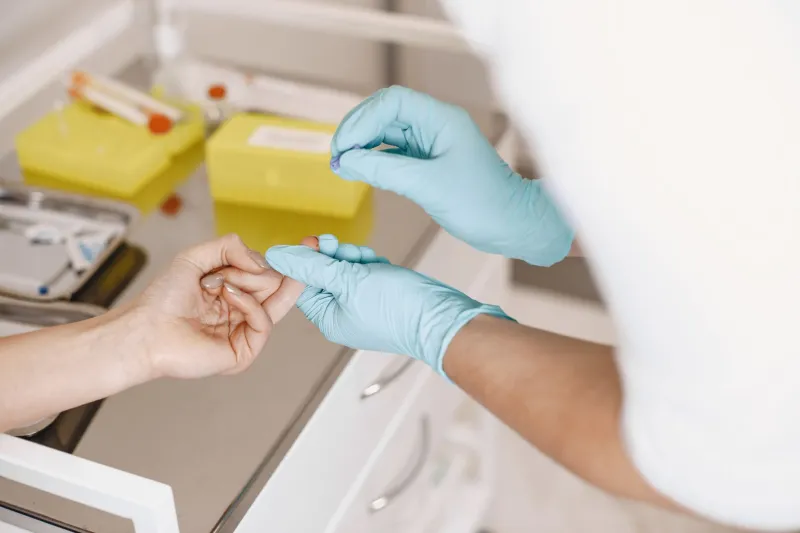
Photo: fertility clinic embryology laboratory cryogenic storage tanks microscope, via images.fineartamerica.com
Preimplantation genetic testing (PGT) has become a routine part of many U.S. fertility journeys. Whether a clinic is screening for chromosomal abnormalities, testing for a known familial variant, or supporting embryo donation, the process generates records that describe the genetic characteristics of an embryo—not just the adults who commissioned the test. Those records are often treated as ordinary clinical paperwork. In practice, they sit at an uncomfortable intersection of patient data, family data, and something closer to property.
The governance problem is not that fertility clinics are indifferent to privacy. It is that the legal and contractual architecture around embryo genomic data is thin, fragmented, and frequently silent on the questions that matter most. What happens to an embryo's genomic record when the intended parents divorce? Can a clinic reuse test results for research? Who receives the data if the clinic closes or is acquired? And what does a patient actually consent to when signing a form that few patients fully understand?
A Record Without a Clear Owner
Embryo genomic records are unusual because they describe an entity that is neither a standard patient nor a standard specimen. An embryo may be implanted, donated, stored indefinitely, discarded, or subjected to disposition disputes. Its genomic information may be clinically relevant to the intended parents, to a future child, to a donor, and to relatives who never signed a fertility consent form.
Federal health privacy rules can apply when a clinic or laboratory is a covered entity and the information is linked to a patient. But HIPAA was not designed around embryos as separate data subjects, and it does not resolve ownership or reuse questions. State law adds another layer, but fertility practice is governed more by contract, professional standards, and clinic policy than by a dedicated embryo-genomic-data statute.
The result is a de facto regime built from consent forms, laboratory service agreements, and storage contracts. Those documents are legally important, but they are often written for operational convenience rather than for the lifecycle of the data they create.
Consent Forms as the De Facto Regime
Most patients encounter embryo genomic governance through a packet of forms signed during an already stressful process. Those forms may authorize PGT, specify how results will be reported, and ask whether leftover samples or data may be used for research. The scope of that research authorization can be broad. A patient may be asked to permit unspecified future research, sharing with collaborators, or transfer to a commercial laboratory without a clear explanation of what the data will contain or how long it will be retained.
This is not simply a problem of patient comprehension, although plain-language redesign matters. It is a problem of contractual scope. A consent form that authorizes research use of 'genetic information' may not distinguish between targeted PGT results and broader genomic data generated in a research arm. It may not say whether data will be de-identified, whether re-identification is possible, or whether a future child could access the record. It may not address what happens if the patient withdraws consent after an embryo has been donated or transferred.
Clinics should treat embryo genomic consent as a distinct category, not as a subsection of general fertility consent. That means separate choices for clinical reporting, research reuse, commercial sharing, and long-term retention, with clear defaults when a patient declines.
Disposition, Divorce, and Death
Disposition disputes over embryos are familiar in U.S. family law. Courts have grappled with whether embryos are persons, property, or something else, and with how to weigh one party's interest in donation against another's interest in avoiding genetic parenthood. Genomic records rarely receive the same attention, even though they can outlast the embryo itself.
If a couple separates, one party may want the embryo's genomic record preserved for a future dispute; the other may want it restricted. If a patient dies, the record may become part of an estate or may be governed by a clinic's internal policy. If an embryo is donated, the receiving family may need access to genetic information for the future child's care, while the donating family may expect privacy. None of these scenarios is well served by a consent form that addresses only the embryo's physical disposition.
Clinics should separate the disposition of embryos from the disposition of embryo genomic records. The two may be related, but they are not identical. A divorce decree that assigns embryos to one party does not necessarily assign the associated data, and a death certificate does not tell a laboratory what to do with a stored genomic record.
Clinic Closure and the Problem of Successor Custody
When a fertility clinic closes, sells its practice, or changes laboratory vendors, embryo genomic data can become orphaned. Patients may receive notice about transferring embryos to another storage facility, but the data may follow a different path. Records could be transferred to a successor entity, retained by a laboratory, archived by a vendor, or destroyed under a retention schedule that patients never saw.
This is a governance gap that clinics can close before a crisis. Service agreements with laboratories and storage vendors should specify what happens to genomic data at contract termination, whether the clinic retains a copy, how patients will be notified, and what destruction actually means. Clinics should also designate a data custodian and include embryo genomic records in closure planning, not only in general medical-record policies.
For patients, the practical lesson is to ask early. A clinic that cannot answer basic questions about retention, research reuse, and successor custody is signaling that its governance is informal. That does not make the clinic unsafe, but it does mean the patient should request written clarity.
A Governance Checklist for Clinics and Patients
For clinics, a minimum checklist includes: inventory embryo genomic records separately from general fertility records; classify data by source and scope; use distinct consent choices for clinical use, research reuse, and third-party sharing; set retention periods with a documented rationale; review laboratory and vendor contracts for data return and destruction; train staff on disposition disputes; and prepare a closure or succession plan that addresses genomic records.
For patients, the checklist is simpler but no less important: request a copy of the clinic's embryo genomic data policy; ask whether PGT results may be used for research; ask who can access the record after divorce, death, or donation; ask what happens if the clinic closes; and ask whether the record can be corrected or restricted. These questions are not adversarial. They are the ordinary due diligence of genomic medicine.
Conclusion
Embryo genomic data is not an exotic edge case. It is a predictable output of modern fertility care, and it will become more common as testing expands and embryo donation grows. The United States does not need to wait for a comprehensive federal statute to improve governance. Clinics can adopt clearer consent, stronger vendor contracts, and explicit disposition rules today. Patients can ask for the same. The alternative is a system in which the most sensitive records in fertility care remain unclaimed by any clear rule—and therefore vulnerable to whichever institution happens to hold the file.